
Discover essential tips to maintain independence aging at home. Make smart choices for safety, support, and daily routines to thrive independently.
Maintaining independence does not mean refusing all support. The people who remain independent the longest are often the ones who build support systems before they urgently need them.
Agingsolo
Your guide to aging independently
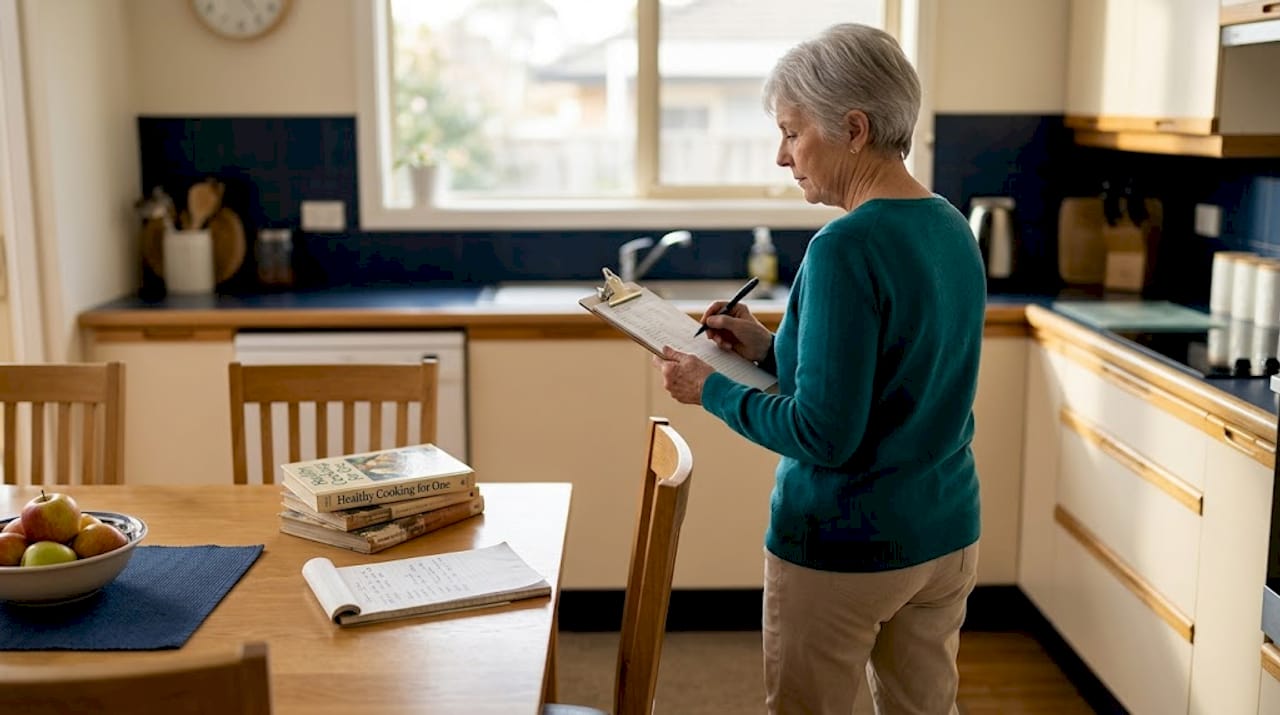
Most Americans over 50 want to age in place, but maintaining independence requires proactive planning and support. Essential modifications, routines, and technology help create a safe, adaptable environment, emphasizing early action over crisis management. Building a layered support system and regularly reviewing needs ensure long-term safety and autonomy at home.
More than 75% of Americans over 50 want to stay in their own homes as they grow older. That desire is real, and it's completely reasonable. But wanting to maintain independence aging at home is only the beginning. The homes we live in, the routines we keep, and the support systems we build all shape whether that goal stays possible. This guide walks you through exactly what it takes, from honest preparation to smart daily habits, the right care options, and tools that quietly hold everything together.
Identify hazards early and make targeted modifications before a crisis forces your hand.
Modern independence means the right help at the right time, not going it entirely alone.
Daily physical and social habits directly preserve the strength and clarity you need to stay home.
Exploring home care options in advance gives you control over who helps and how.
Assistive tools for reminders, safety, and connection extend your independence without replacing human contact.
Before anything else, take an honest look at your home. Not a casual glance, but a deliberate walk through each room asking: where could something go wrong?
Falls are the leading cause of injury death for adults over 65, and about 14 million older adults report a fall every year. That number is not meant to frighten you. It's meant to help you take the bathroom floor and the staircase seriously before they become a problem.
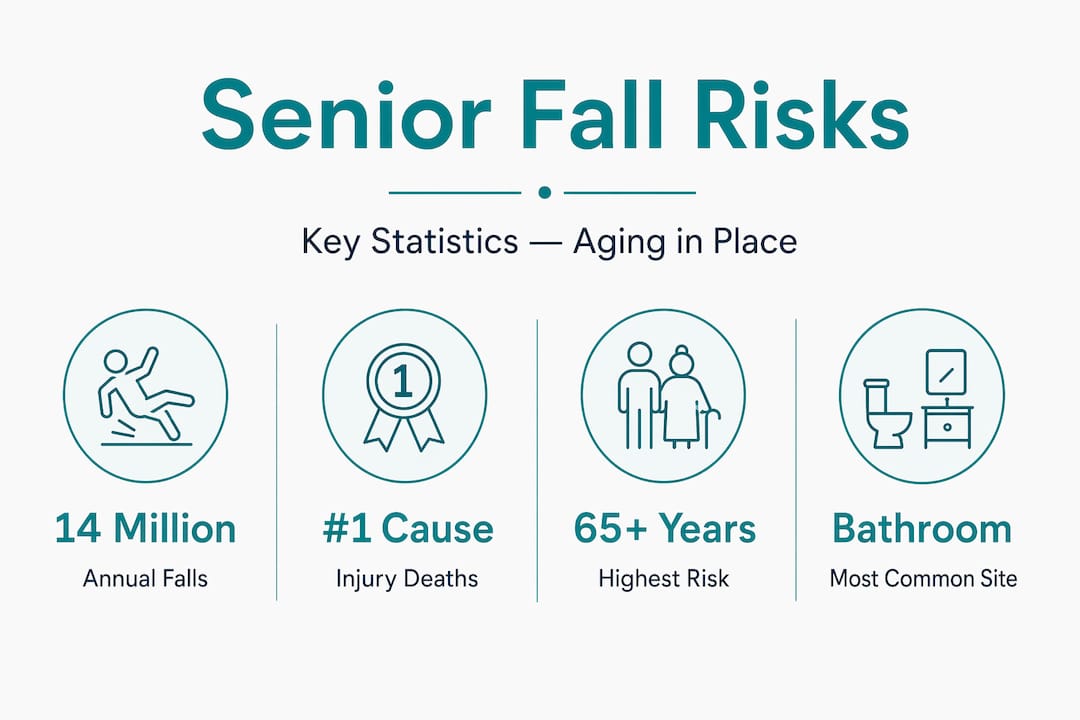
Bathrooms and stairs carry the greatest risk. The good news is that targeted changes make a measurable difference. Here's where to start:
A Certified Aging-in-Place Specialist (CAPS) can assess your home professionally and prioritize what matters most given your specific layout and health picture. Many local Area Agencies on Aging can connect you with one, sometimes at no cost.
Pro Tip: Financial planning is the step most people skip until it's urgent. Get a rough estimate of modification costs now, while you have time to budget or apply for assistance programs. Your local housing authority may offer grants or low-interest loans specifically for aging-in-place renovations.
| Modification | Estimated cost | Impact level |
|---|---|---|
| Grab bar installation (2-3 bars) | $100 to $300 | Very high |
| Non-slip flooring or mats | $50 to $500 | High |
| Improved lighting (motion-sensor) | $100 to $400 | High |
| Zero-step entrance ramp | $1,000 to $3,000 | Medium to high |
| Walk-in shower conversion | $3,000 to $10,000 | Very high |
The Agingsolo aging-in-place guide walks through these modifications in more detail, including how to sequence them and what to prioritize on a limited budget.
A safe home is the foundation, but your daily habits are what keep you capable of living in it. Aging in place independently is not a one-time decision. It's something you rebuild a little every day.
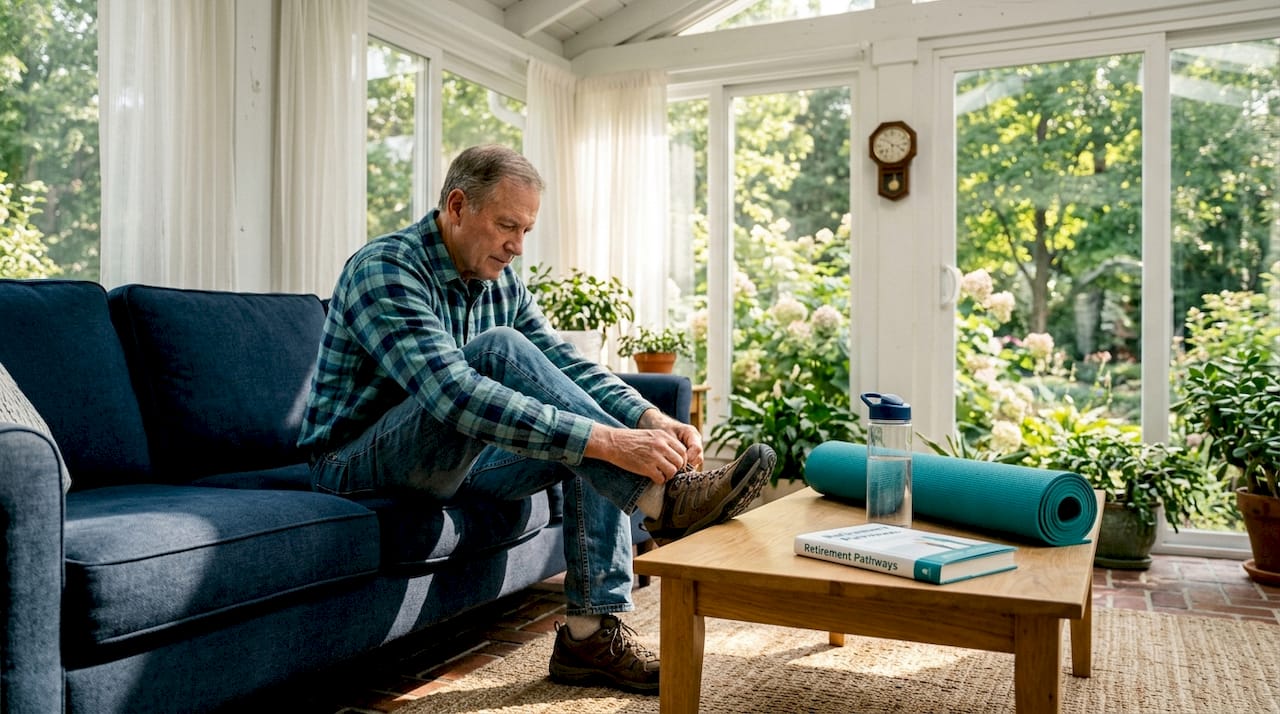
Physical activity is the clearest example. Even modest regular movement, like a 20-minute walk, gentle yoga, or resistance band exercises, preserves the balance and muscle strength you need to stay steady on your feet. Physical therapy is safe for most older adults and can be especially useful for identifying balance weaknesses before they lead to a fall.
Social connection matters just as much as physical health. Social isolation raises the risk of depression, cognitive decline, and early mortality. If the quiet at home feels heavier than expected, that's a real signal worth responding to.
It does not have to be intense. Consistency matters far more than effort level.
Skipped meals lead to blood sugar dips, fatigue, and foggy thinking. Simple, nutritious food eaten regularly keeps your energy steady.
Use a pill organizer or a phone reminder so doses do not slip. Medication errors are a surprisingly common cause of preventable hospital visits.
A phone call, a short walk with a neighbor, a community class online. Even brief connection offsets isolation.
Reading, puzzles, learning something new, writing in a journal. Mental engagement preserves cognitive sharpness over time.
Pro Tip: Technology can carry some of the routine load. Voice-activated reminders for medication, hydration, and appointments are low-cost, low-friction additions that quietly support daily structure without feeling like a loss of control.
For more on staying active as a solo ager, the Agingsolo independence guide offers specific, practical frameworks.
Many people resist the idea of home care for seniors because it feels like giving something up. Reframe it this way: choosing the right support before you desperately need it is one of the most independent decisions you can make.
There are two main models to understand.
| Care type | Best for | Cost range | Key tradeoff |
|---|---|---|---|
| Hourly home care | Targeted tasks, a few hours daily | ~$34/hr (median) | Flexible, but less continuity |
| Live-in care | Continuous presence, higher needs | ~$24,733/month | Consistent support, higher cost |
Live-in care suits those needing continuous presence throughout the day and night, while hourly care works well for someone who needs help with specific tasks like bathing, meals, or transportation. Neither option is a defeat. Both are tools.
Some people feel more comfortable with limited, scheduled help. Others find consistent company reassuring.
Separating "I sometimes need a hand" from "I need daily support" clarifies which model fits.
Long-term care insurance, Medicaid, and some Veterans' benefits can offset costs significantly.
Trust and rapport matter. A care coordinator can help find someone whose approach matches yours.
The median cost of nonmedical home care is approximately $34 per hour in 2026. Planning for that cost now is far better than facing it suddenly during a health crisis.
The Agingsolo life care planning guide breaks down how to build a financial plan around these realities in clear, manageable steps.
Technology for aging at home does not have to mean complicated gadgets. The best tools are the ones you actually use — tools that fit your life quietly and reliably.
Wearable buttons or fall-detection devices that connect you to help if something goes wrong at home.
Remind you and dispense your exact dose at the right time.
Tablet or phone to maintain face-to-face connection with family and friends who live at a distance.
Reduce the need for driving while keeping you well-nourished.
Community transportation programs for medical appointments and social activities.
One thing worth knowing: Personalizing assistive devices matters for acceptance. A stylish walking cane you actually choose feels very different from one handed to you in a hospital hallway. If a device reflects your preferences, you're far more likely to use it consistently.
Community is equally powerful. Senior centers, faith communities, volunteer organizations, and online groups all offer regular human contact that technology cannot fully replace. These connections are not luxuries. They are part of how you age at home safely over the long term.
The Agingsolo resource clearinghouse is a good place to find community programs and tools organized by topic. For a broader look at assistive technology for aging, Agingsolo's technology page covers what's worth trying and what's mostly marketing noise.
The goal is not to create a perfect plan once and never revisit it. Bodies change. Needs shift. What worked at 65 may need updating at 75. That's not failure. It's just how life works.
Ask yourself honestly: Is anything getting harder? Are there tasks I'm avoiding because they feel risky? Are my energy and mood holding steady?
If you have family members or close friends in your support circle, schedule a short check-in every few months. Not just a call about other things. A conversation specifically about how things are going at home and whether your personal safety net still feels adequate.
A geriatric care manager, your primary care physician, or a social worker can flag changes you may not notice yourself.
A stumble that did not become a fall is still information. Take it seriously.
"Waiting until a crisis to start these conversations limits your choices. Starting early means you're the one deciding what comes next, not circumstances."
Proactive planning and ongoing check-ins are what separate people who age in place successfully from those who end up making rushed decisions under pressure. Small, regular check-ins from a care manager or trusted contact are among the most effective invisible supports available.
I've spent a lot of time thinking about what independence actually means for people aging at home, and I think we have it backwards more often than not.
Most people I've seen struggle with aging in place were not struggling because they accepted help. They were struggling because they waited too long to accept it. They held the idea of independence so tightly that by the time they reached out, their options had narrowed considerably.
Real independence looks like living on your own terms, making your own choices, and having the support in place that lets you keep doing both. That is not the same as doing everything yourself.
What I've seen work consistently is a layered approach. A layered strategy that combines a well-modified environment, steady daily routines, and periodic human check-ins holds up far better over time than any single solution. Miss one layer and the whole structure quietly weakens.
The emotional courage required to say "I want help so I can stay home longer" is real. And it is worth honoring. Asking for the right support at the right time is not giving in. It is planning with clarity.
Many solo agers worry that accepting help means losing independence. In reality, the opposite is often true. Small supports introduced early can help preserve freedom, confidence, and decision-making for much longer.
— Mike
One of the most overlooked aspects of aging in place independently is the network of people you can count on — not just for emergencies, but for the everyday moments that keep life running smoothly. For solo agers especially, a well-built support circle is the difference between thriving at home and feeling isolated.
The best time to build this personal safety net is before you need it. When you're not in crisis mode, you can make thoughtful choices about who belongs in your circle and what role each person plays.
Someone nearby who has a spare key and checks in if things seem off. A simple "good morning" wave can evolve into a genuine safety check.
Several people who have your emergency information and know your preferences. Include both local and out-of-area contacts for redundancy.
Friends, volunteers, or community ride programs for medical appointments and errands. Plan multiple options so no single person carries the full load.
A daily or weekly routine where someone knows to expect a call or message. Technology can help, but a human touchpoint is what matters most.
Someone who can accompany you to important appointments, take notes, and help communicate your wishes if needed. A healthcare proxy is essential.
A prioritized list posted visibly at home and saved in your phone. Include your support circle members alongside medical and legal contacts.
Start today: Write down three people you would call in an emergency. If you struggle to name three, that's valuable information — it means building your support circle should be a priority. The Agingsolo Build Your Support Circle guide walks you through the full process step by step.
A support circle is not about burdening others. It's about creating a mutual, sustainable network where people know what you need and you know they're willing to help. For solo agers, this is one of the most powerful tools for maintaining independence while aging at home.
If this article made you think "I should probably get more organized about this," you're in exactly the right place.

Agingsolo was built for people who are aging without a built-in support system and want to do it thoughtfully. The Build Your Support Circle resource walks you through creating a real, reliable network of people who know your situation and can show up when it matters. For those thinking about the safety and technology side of things, the Agingsolo tools for independence page covers practical options that work in real homes, not just in brochures. And if you want the full picture in one place, the Agingsolo main site is your starting point for guides, checklists, and support built around your actual life.
Aging in place successfully is rarely about one major decision. It is usually the result of small adjustments made consistently over time. The earlier you begin building your environment, routines, and support circle, the more choices you preserve for yourself later.
You do not have to figure this out from scratch. There's a steady, practical path forward, and you can start it today.