
Discover essential strategies for older adults living alone to ensure safety, well-being, and independence in aging gracefully.
TL;DR:
Quick Answer:
Older adults living alone can remain safe and independent for many years when they focus on four areas: maintaining physical health, reducing home hazards, building a support network, and planning ahead for emergencies and future care needs.
Older adults are individuals typically aged 65 and older who face specific, well-documented risks when living without a traditional support system. The term "solo ager" is the recognized term in gerontology and elder care planning for this group. You may be widowed, divorced, childless, or simply living far from family. Whatever brought you here, the challenges are real: falls, chronic conditions, social isolation, and gaps in care that quietly compound over time. This guide puts the most important strategies first, so you can act on them now.
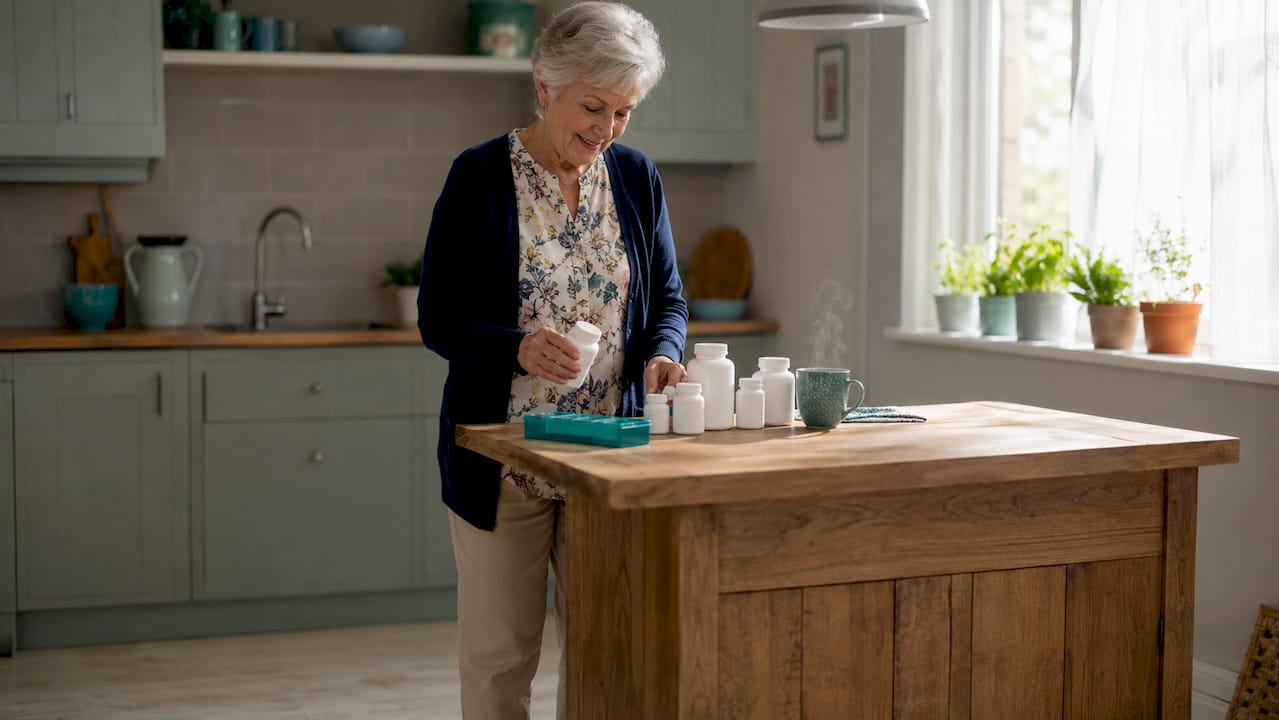
Nutrition is the foundation. Protein intake at or above 1.0 g/kg of body weight per day reduces your risk of falls, frailty, mobility loss, and early mortality. That means a 150-pound person needs roughly 68 grams of protein daily. Animal sources like eggs, chicken, Greek yogurt, and salmon deliver the most complete amino acid profiles.
The NIDDK recommends a BMI in the 25–27 range for older adults, slightly higher than general adult guidelines. That modest extra weight acts as a buffer against frailty and illness-related weight loss. Do not aim to be as lean as you were at 40.
Physical activity matters just as much. The goal is not intense exercise. It is consistent movement that preserves balance, muscle mass, and coordination. Walking 30 minutes most days, combined with two sessions of light resistance training per week, covers the core bases. Chair yoga and water aerobics are excellent options if joint pain limits you.
| Protein Source | Grams per Serving | Key Benefit |
|---|---|---|
| Chicken breast (3 oz) | 26g | Lean, high bioavailability |
| Greek yogurt (1 cup) | 17g | Calcium plus gut health |
| Eggs (2 large) | 12g | Affordable, complete protein |
| Salmon (3 oz) | 22g | Omega-3s for heart and brain |
| Lentils (1/2 cup cooked) | 9g | Plant-based, high fiber |
Pro Tip
Schedule a telehealth visit with your primary care provider every 90 days. Telehealth removes barriers that often keep solo agers from getting consistent care, including transportation, cost, and the simple friction of making an appointment.
Regular health monitoring is not optional when you live alone. Blood pressure, blood glucose, and cholesterol checks catch problems before they become crises. Many pharmacies offer free or low-cost screenings. Put them on your calendar the same way you would a dentist appointment.
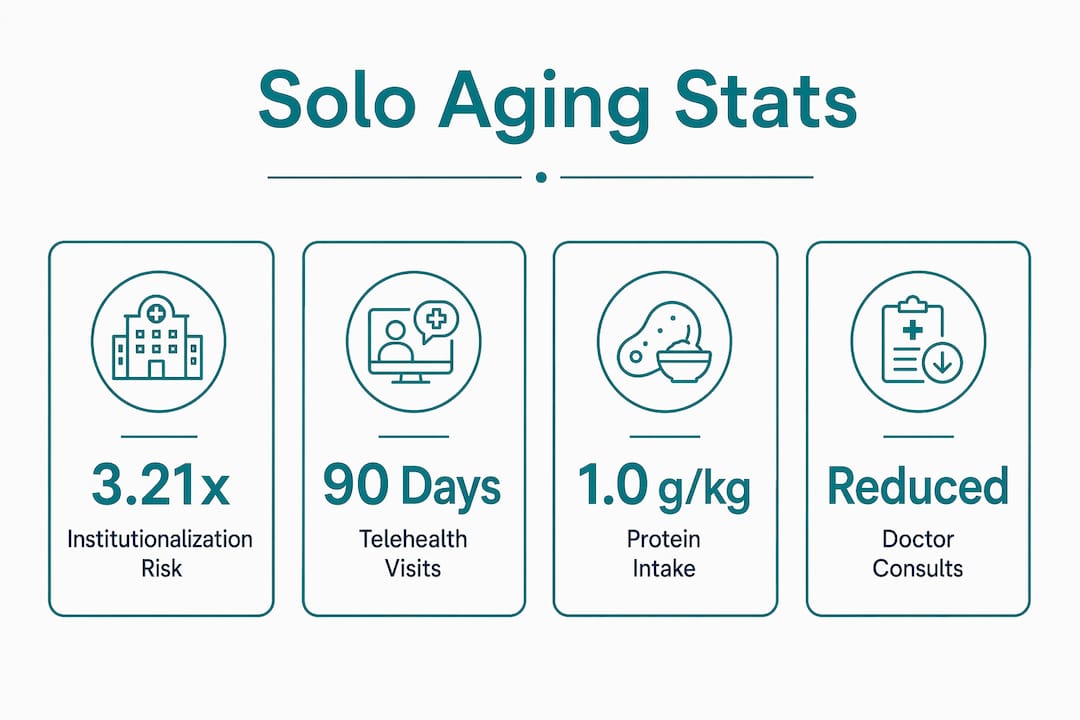
The data on this is clear and worth sitting with. Solo agers face a 3.21 times higher risk of institutionalization compared to those who live with others. That risk exists independent of cognitive decline. It is driven by the absence of daily oversight, practical help, and someone to notice when something is wrong.
Healthcare use also drops sharply. Living alone reduces the probability of consulting a doctor by over 20 percentage points. That gap is not just about cost. It reflects psychological and emotional barriers: not wanting to be a burden, minimizing symptoms, or simply lacking someone to say "you should get that checked." Scheduled check-ins with a care provider can close that gap.
Social isolation compounds everything. Loneliness is not just uncomfortable. Social participation is now treated as a clinical intervention by many providers, a practice called "social prescribing." Doctors in the UK's National Health Service and some U.S. health systems now write prescriptions for community activities, volunteer programs, and group classes alongside medical treatments. The evidence supports it.
"Social connection is not a luxury for older adults living alone. It is a health intervention with measurable effects on life expectancy and resilience."
Here are practical steps to close the care and connection gap:
Your home is your most important tool. Treating it as a support hub rather than just a place to live changes how you plan for it. Small modifications made now prevent crises later.
Reverse mortgages and home equity conversion tools give house-rich, cash-limited solo agers access to funds without selling. That liquidity can pay for grab bars, stair lifts, or in-home help before a fall forces the decision. Waiting until a crisis is the most expensive approach.
| Home Adaptation | Primary Benefit | Est. Cost Range |
|---|---|---|
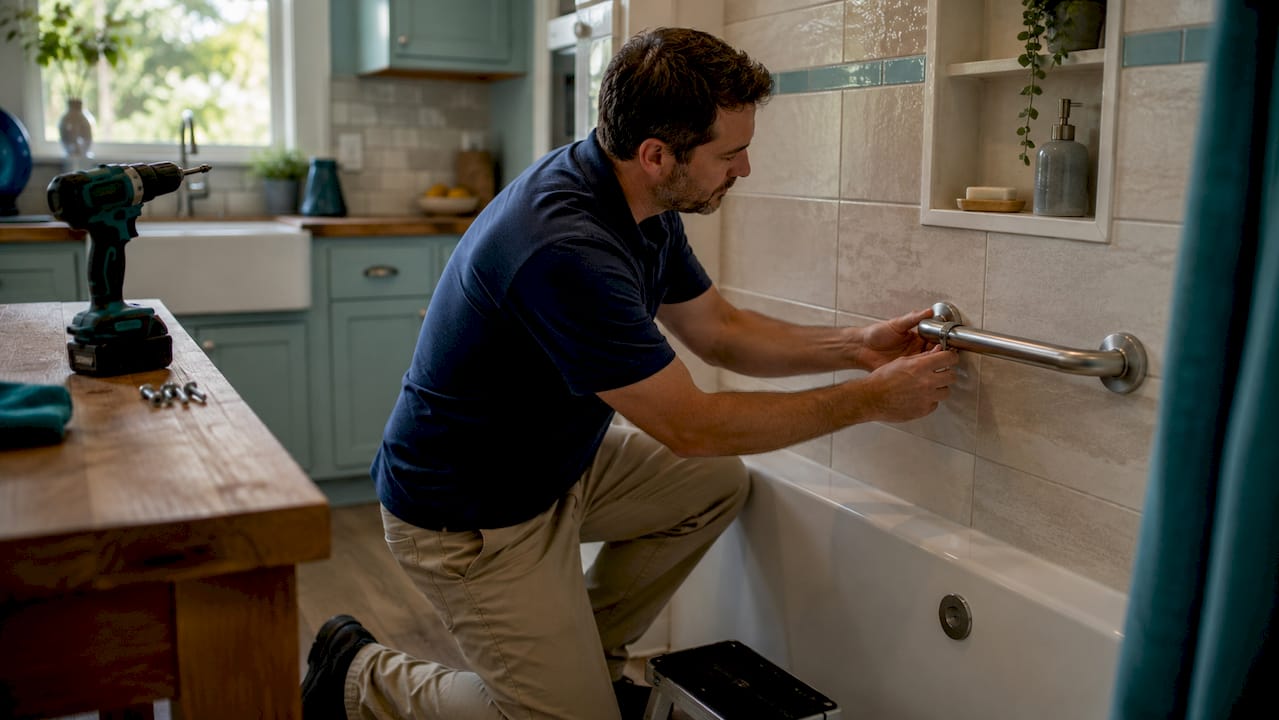
| Grab bars in bathroom | Fall prevention | $150–$400 installed |
| Non-slip flooring or mats | Reduces slip risk | $50–$300 |
| Stair lift | Preserves multi-floor access | $3,000–$6,000 |
| Smart doorbell or camera | Security and visitor monitoring | $100–$300 |
| Medical alert device | Emergency response when alone | $25–$50/month |
| Lever-style door handles | Easier with limited grip strength | $30–$80 per door |
One of the most common reasons older adults lose independence is not health. It's transportation. The inability to get to medical appointments, grocery stores, social activities, and community events can create isolation long before a major health issue appears.
Transportation is a safety issue that most people do not plan for until driving becomes unsafe. Services like Lyft, GoGoGrandparent, and local Area Agency on Aging programs offer reliable alternatives. Knowing your options before you need them is the difference between independence and crisis. Agingsolo covers transportation options for solo agers in detail.
Pro Tip
Walk through your home today and identify the three spots most likely to cause a fall. Bathrooms, stairs, and dark hallways are the top three. Fix those first before anything else. The aging in place guide at Agingsolo has a room-by-room checklist.
Emergency readiness is not dramatic planning. Keep a printed medication list, emergency contacts, insurance information, and healthcare providers in one place that first responders or trusted friends could easily find. It is a list on your refrigerator with your medications, your doctor's name, and one emergency contact. First responders look there first.
Decision redundancy is the term for having more than one person who can act on your behalf when you cannot act for yourself. Most people with spouses or nearby adult children have this built in. Solo agers have to build it deliberately.
Here is how to start:
Assign a durable power of attorney.
This person handles financial decisions if you are incapacitated. Choose someone trustworthy, not just available.
Name a healthcare proxy.
This is separate from your POA. Your healthcare proxy speaks for you in medical settings. Give them a copy of your advance directive.
Identify two or three "circle of care" contacts.
These are people who check in regularly, know your routines, and would notice if something was wrong. Neighbors, friends, and faith community members all qualify.
Register with your local Area Agency on Aging.
They connect you to services, check-in programs, and emergency resources.
Document everything in one place.
A binder or digital folder with your legal documents, insurance cards, medication list, and emergency contacts. Tell your circle where it is.
Review your network annually.
People move, relationships change. Your support circle needs maintenance.
Pro Tip
Do not wait until you need help to build relationships. Support circles work best when they grow naturally over time, not during a crisis.
Technology fills real gaps here. Video calls with platforms like Zoom or FaceTime maintain connection across distance. Apps like Snug or Wellth send daily check-in prompts and alert a contact if you do not respond. These are not replacements for human connection. They are a safety layer.
Ageism in healthcare is defined as the withholding or modification of treatment based on chronological age rather than functional status. The Merck Manual on Geriatrics identifies this as a direct cause of suboptimal care outcomes. It often operates unconsciously, meaning your provider may not realize they are doing it.
A related problem is "geriatric nihilism," the assumption that decline is inevitable and treatment is therefore pointless. This attitude leads to under-treatment of pain, depression, and mobility issues in older patients. You have every right to push back.
Here is how to advocate effectively:
Self-advocacy is not confrontation. It is clarity. You are the expert on your own quality of life. Your provider is the expert on treatment options. Good care happens when both sides bring their expertise to the table.
Solo agers who plan proactively, maintain strong nutrition, build formal support networks, and advocate for functional-status-based care are the most likely to age independently and safely.
| Point | Details |
|---|---|
| Prioritize protein intake | Aim for at least 1.0 g/kg of body weight daily to reduce frailty and fall risk. |
| Close the care-seeking gap | Schedule regular telehealth or in-person visits; solo agers consult doctors far less often. |
| Adapt your home early | Install grab bars, improve lighting, and plan for transportation before a crisis forces the issue. |
| Build decision redundancy | Assign a POA, name a healthcare proxy, and maintain a circle of care with at least two contacts. |
| Advocate by function, not age | Tell providers what you want to do, not just your age; push back on ageism with specific goals. |
The conventional advice on aging well tends to focus on what to avoid: falls, isolation, bad nutrition. That framing is not wrong, but it puts you in a defensive crouch. What I have found, working with and alongside solo agers, is that the people who do best are not the ones who avoid the most risks. They are the ones who build the most structure.
Structure is not the same as restriction. It is knowing who to call at 2 a.m. It is having a legal document that reflects your actual wishes. It is a neighbor who has your spare key and knows your schedule. That kind of quiet infrastructure is what makes independence sustainable.
The other thing most articles skip: the emotional weight of planning for your own decline. It is real. Sitting down to name a healthcare proxy or write an advance directive feels heavy. But every solo ager I have spoken with says the same thing afterward: they felt lighter. Not because the future got easier, but because they stopped carrying the uncertainty alone.
I've learned that most solo agers are far more capable than they give themselves credit for. The challenge isn't capability. It's having a system in place when life becomes unpredictable.
Start with one thing. One document. One conversation. One adaptation to your home. The plan does not have to be complete to be useful.
— Mike
Reading about solo aging is valuable. Creating a plan is even better.
Start by identifying:
The resources at Aging Solo Today are designed specifically for adults aging without a spouse, nearby children, or a traditional support system. Start with the solo aging planning guide to understand why earlier action creates more options. Then explore the support circle builder to formalize the network you need. Whether you are just starting to think about this or already deep in the planning process, Agingsolo meets you where you are with calm, clear, and genuinely useful guidance.
Aging solo does not mean aging alone. The goal is not to eliminate every risk. The goal is to build enough support, planning, and structure that you can continue living life on your own terms.